
Raising Sail in the Digital Age: Attracting the Next Generation of Sailing Yacht Buyers
As featured in the Practical Sailor (https://www.practical-sailor.com/)
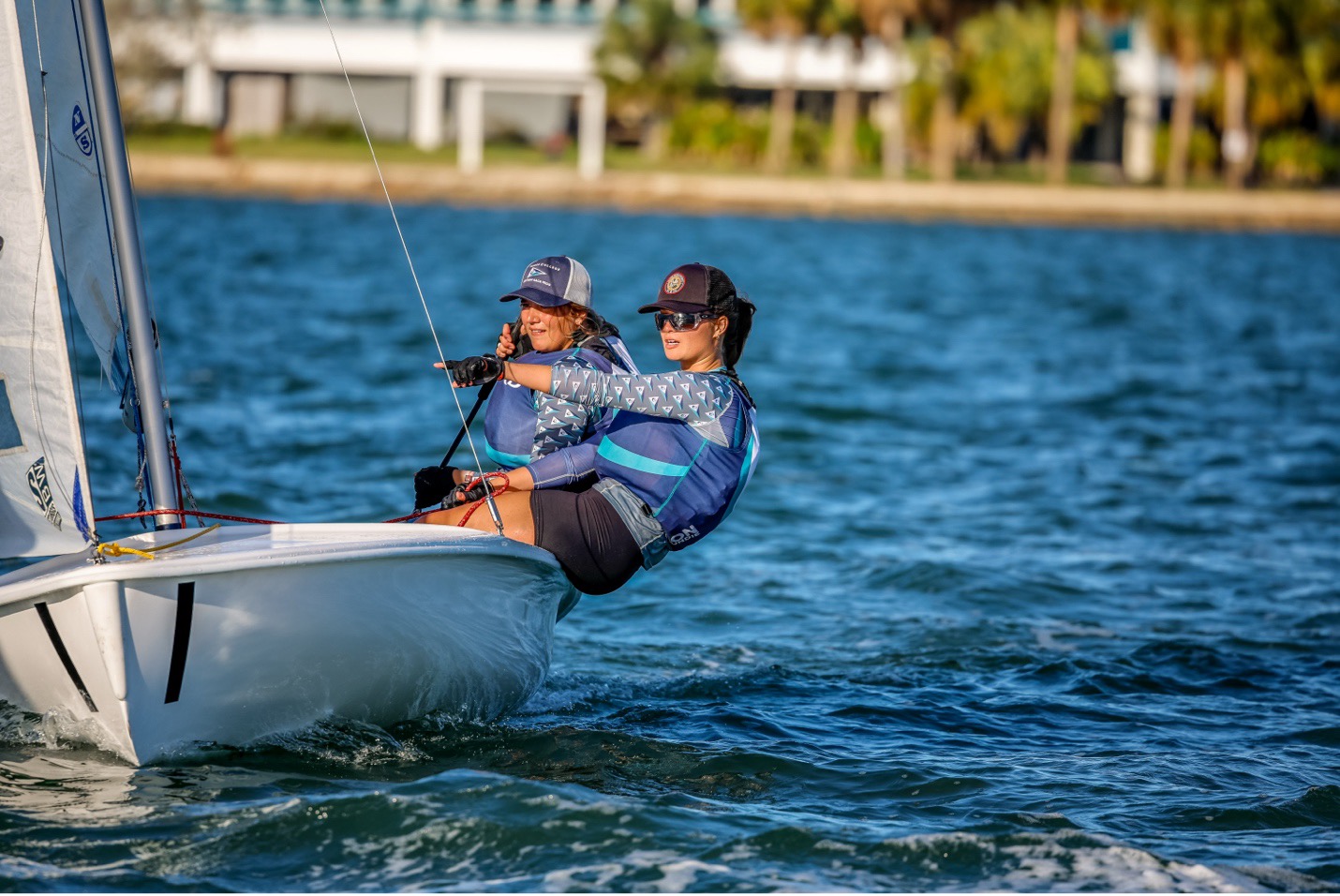
Walk the docks at most marinas or check out the bars at your local yacht club and it’s obvious that the average boat owner is getting older.
Plus, speaking from personal experience, as boaters get older many of them make the switch from sailing to powerboating. A few years ago, I went from a Beneteau First 35S5 to a Silverton 38C power boat. No more hauling heavy sails around, reefing when the wind picks up, going to the foredeck in heavy weather because the jib is fouled. Plus, my favorite anchorage is now three hours away instead of 12. It was an easy decision—I still get my sailing fix by bareboat chartering from time to time.
Sailboat sales are down—the new sailboat market is difficult right now. Brokerage sailboats are faring a little better, but at my yacht brokerage we are moving more powerboats than sailboats.
Barriers to Entry for Young Potential Buyers
At the same time, the younger adults who are reaching boat-buying age get their news and do their research differently than we did. They have more access to information and are more connected than at any time in human history. They have been raised on more digital access, more of a group social style, and are wanting to do less work, not more.
Charlie Mann, a 28-year-old sailor, pointed out a bigger problem, and this reaches far beyond boating; the wealth gap between older and younger people today. According to Pew Research, in 1984 in the U.S., households headed by adults age 65 and over had a median net worth that was 10 times the wealth of households headed by adults younger than age 35. By 2009, that multiplier had increased to 47 times. Most of these young people aren’t sitting around with $100,000 to spend on a sailboat (or anything else for that matter).
So the sailing industry faces the additional challenge of luring in younger sailors and buyers who have far less disposable income today than they did 40 years ago.
For the sailing yacht market to grow and address these challenges, the industry needs to rethink how it communicates, how it markets, how it represents its sport, and how to better appeal to younger people.
Understanding the Young, Digital Buyer
Younger potential yacht buyers today are comfortable researching big purchases online, comparing options, reading reviews, and watching hours of video before ever speaking to a salesperson. I spent 40 years in sales in the tech world, and back in the day buyers learned almost everything from the salesperson. These days buyers have done most of the necessary research on a technology before even speaking with a salesperson.
I was at a local boating conference a few weeks ago and struck up a conversation with a 23-year-old lady who works at a ships store for a small local marina. I asked her what her generation is looking for in sailboats and her answers were:
- Something that groups of people can do;
- Fun is the number one priority, not manual labor;
- Not a ton of prep work beforehand, jump in and get going;
- It would be great if she didn’t have to buy a boat but could somehow rent one;
I have talked to other young people and the feedback is similar. I spoke with Tia, who as a child got to live aboard a sailboat in the Mediterranean with her parents for 9 months. She said the best part of that journey was meeting other kids her age and sailing with them to new destinations. She loves sailing because, while some of it is a challenge, she found using the wind and sails to move the boat was way cooler than driving a powerboat. She believes many young people feel the same way. She also enjoys teaching her friends and companions to sail; this led to her becoming a sailing coach over the last few years.
How is sailing looked at today?
To many younger people, sailing still carries a reputation that feels distant from their world. It can appear expensive, exclusive, and complicated. With a powerboat you just need a key and a checkbook. Some of the younger people I spoke with say it appears to be inaccessible. You need lessons or you must be lucky enough to have parents, friends or relatives who sail and you learned from them. Most of the younger adults that I know who sail, and especially those who race, grew up in a sailing family and are carrying on the tradition.
What’s worse, try googling something like “What do young people think about sailboats today.” I did that and found multiple videos that depressingly go like this. First off the narrator sounds depressed and he paints a glum picture of the costs and work involved in sailing. A total “glass is half empty” narrative.
What can be done?
One thing that’s missing is storytelling that connects the dots for the younger buyer. When younger buyers see real people living aboard (especially in their age group), working remotely on a boat, exploring coastlines, and building communities around sailing, taking the dinghy to the beach or to town, this can help make sailing more appealing.
YouTube has become a main marketing tool for almost everything. Videos showing real cruising experiences and the day-to-day rhythm of life aboard can give viewers a window into what ownership actually looks like. Instagram and other short-form video platforms add the aspirational layer: sunsets under sail, island anchorages, and the emotional appeal of freedom on the water. Marketing to this group is not just one thing; it’s multifaceted.
Younger buyers also search constantly. They want answers to practical questions: How much does it cost to own a sailboat? What’s the best way to keep it? What is a good first cruising sailboat? Brokers and marine businesses who create useful content around these questions as well as what the younger crowd wants can make potential buyers eager to learn more. Look at the depressing video link above. The sailboat industry needs to create the polar opposite of that negative take, targeted towards the 28 to 45 age range. Here is a good example: Sailing Video. The whole vibe is totally upbeat, it shows the sailors doing fun things and really romanticizes sailing. It’s a message that needs repeating and building upon.
Sustainability
Another plus for sailboats is the environmental impact. According to a recent survey done by GlobeScan, Gen Z feels the most impacted by climate change compared to other age groups. Powerboats must burn fuel to get around. Sailboats do as well but not nearly as much. In my Beneteau I had a 10-gallon fuel tank that I refilled maybe two to three times per five month season—I live in the Northeast U.S. My Silverton burns over 20 gallons per hour while cruising.
Modern boats also incorporate technologies that reinforce this message. Solar panels, lithium battery systems, electric propulsion, and efficient onboard systems also contribute to the positive environmental story. Young people need to hear more about this.
Brokers and Sellers – Make the listings better
When digitally native buyers do click on a listing, expectations are high. Many marine listings still rely on static photos and minimal narrative. But younger buyers are used to immersive online shopping experiences. Video walkthroughs are becoming essential. Drone footage, cockpit tours, and simple narrated walk-throughs help buyers visualize the space. Short-form clips showing how the boat moves under sail or what a weekend aboard looks like can be even more powerful. Make sure there are young people in the videos. Putting people in pictures or video used to be taboo—not anymore.
Also, make sure your listings are formatted to be effectively viewed on a smartphone or tablet. If they have a bad experience here, they won’t move any further.
Costs
In my opinion this is huge. The internet is full of differing opinions, most centered around how the boat is used. In long distance cruising, a sailboat is cheaper. For the weekend warrior, it still is less but maybe not as much. I can tell you that the most expensive thing I did to the Beneteau was buy a new main and gennaker. In the early 2000s that cost me around $10–12K. For my Silverton I pay three times that yearly just for slip costs, fuel, maintenance, etc—do the math. I don’t think we pitch the cost differences enough to potential buyers who are undecided between sail and power.
Community Matters More Than Ever
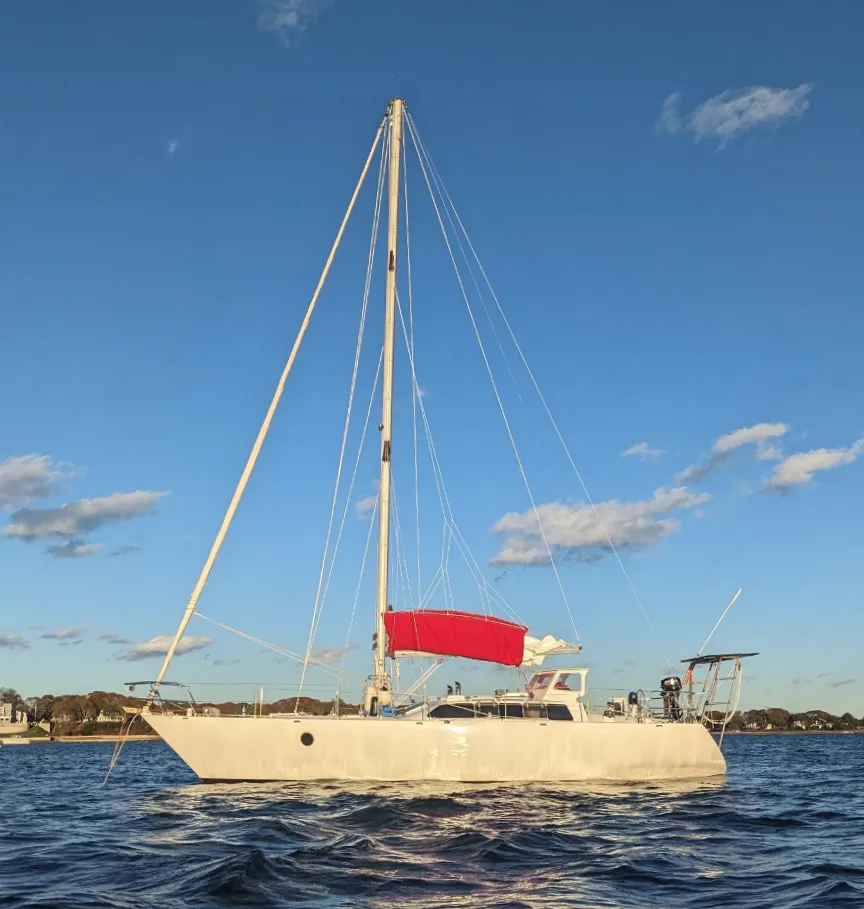
Back to my conversations with younger people. Younger buyers often gravitate toward communities rather than individual products. They want to feel part of something larger than a transaction.
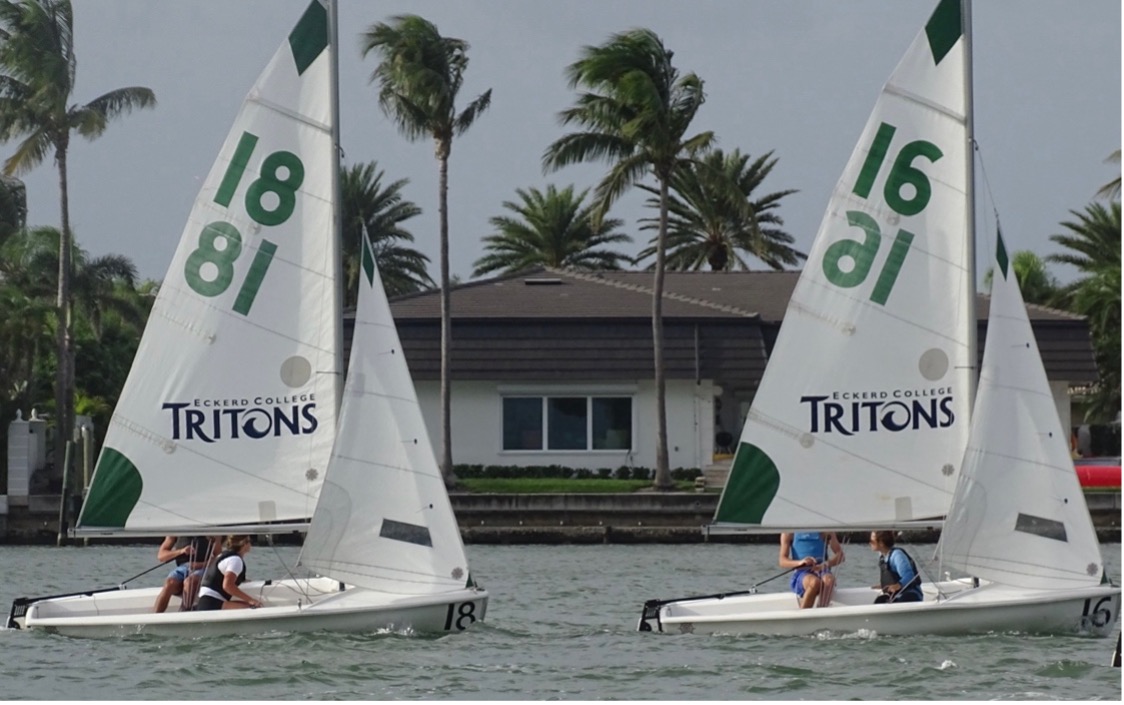
Cruising groups, online forums, regional meetups, sailing schools, yacht clubs all create social ecosystems where boaters and buyers can learn from each other. This was mentioned by everyone I talked to. Sophie, who races for Eckerd College in Florida, said that non sailors are simply unaware of many of these social outlets that can help young people learn about sailing.
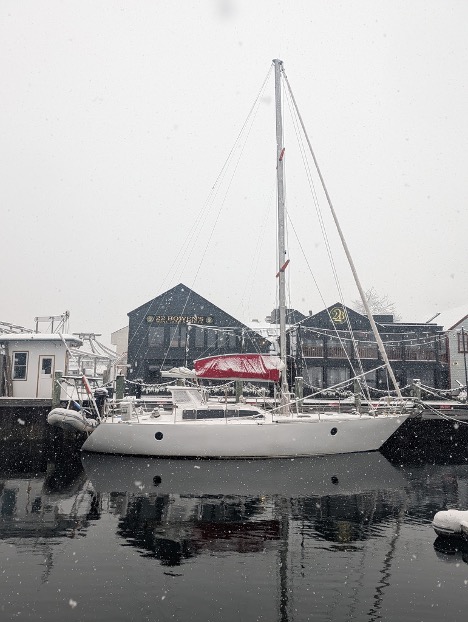
I also spoke with Heather and Liam who are in their 20’s and currently living on a sailboat. By their own admission, 5 years ago they didn’t know how to sail at all. Now they’re on their 2nd cruising sailboat and after sailing in Canada last season they’re in Newport Rhode Island refitting their sloop for the coming season. To them, the community aspect is a big part of their experience. In their 5 years of cruising they’ve met many young people in various anchorages whom they now tend to run into every so often in different ports. Some of their shore-bound friends have asked them if they get lonely; their response is that you have to try hard not to interact with others on a journey like this. As for getting people in their age group into sailing, their advice was to get on other people’s boats. Go sailing and learn, even if you’re just added weight. Learn about any other community outlets that you can get local access to.
So the message seems clear that sailing groups should take a look at their reach out campaigns and see where they might be enhanced. Sophie also mentioned that there needs to be more young people shown in any outreach program marketing materials. She said most people you see in pictures (ie yacht club photos on a website) are of “old people”. She also said that more videos such as Garrett’s Adventure, a young man’s diary of his solo cruising, need to be out there to help younger sailors get an understanding of what cruising life can be like.
Accessible Pricing Formats
Charlie mentioned that his home yacht club, Stonington Harbor Yacht Club in Stonington Connecticut, now offers a special membership priced for younger people. No initiation fee, a $450 annual membership fee and they can bring their spouse or their partner anytime to club activities. They have access to all the amenities that the more senior members have. So now more young people are showing up at events and getting into boating. Other yacht clubs and boating membership groups all over the world should look at doing something like this if they’re not already.
Racing Opportunities
Another sailing inroad for young boaters is racing. I took my first sailing lessons at eight years old and then raced the next 10 summers on Duckboats. After college I raced one design Highlanders for the next dozen years. I got a little tired of the intensity—Sunday races always began the afternoon before when I had to go out and look at the racecourse—so I did my first bareboat charter in the Caribbean. A year later I bought the Beneteau. “Grillin’ and chillin’” was now the name of the game instead of trying to decide which end of the line was favored. My point is that racing can be a great segway into cruising boats. Getting younger people better access to racing programs can help.
Chartering
Another aspect is chartering. If someone is unsure about the cruising experience, get five of your friends together and hire a skipper and go do a charter for a week. When I did that, the next thing I did when I returned home is I bought the Beneteau.
Conclusion
The statistics cited here are for the U.S., but I bet that most other countries have similar statistics. Let us know in the comments, what is the young boater situation where you live?
There’s no doubt that this issue is a real problem for the global sailing community, and we need to do something about it now. Focus on what’s working in your sailing communities to support and engage younger sailors and please leave a comment and help those ideas spread.